
Some home upgrades are obvious the moment you walk in. Others work more quietly. Wood interior doors do both.
They change how a hallway feels. They make bedrooms feel more private. They give a home office a sense of separation. They add warmth to spaces that feel too plain, too bright, or too builder-grade. The right wood interior doors can also make a home feel more finished, especially when they are chosen as part of a larger design plan rather than treated as an afterthought.
Most homeowners spend a lot of time thinking about floors, countertops, cabinets, paint, lighting, and front doors. Interior doors often stay on the list until the end, even though people use them every day. A door is touched, opened, closed, seen from both sides, and repeated throughout the home. If the doors look flat or feel hollow, the home can feel less custom than it really is. If the doors have weight, grain, proportion, and the right finish, the whole interior feels more intentional.
That is where wood makes such a strong difference. It brings natural texture into the home without feeling trendy. It can suit modern, traditional, transitional, rustic, Mediterranean, or warm contemporary interiors. It can be quiet and simple, or it can become a feature in its own right.
This guide explains how to choose wood interior doors that make your home feel warmer, quieter, and more custom without overcomplicating the process.
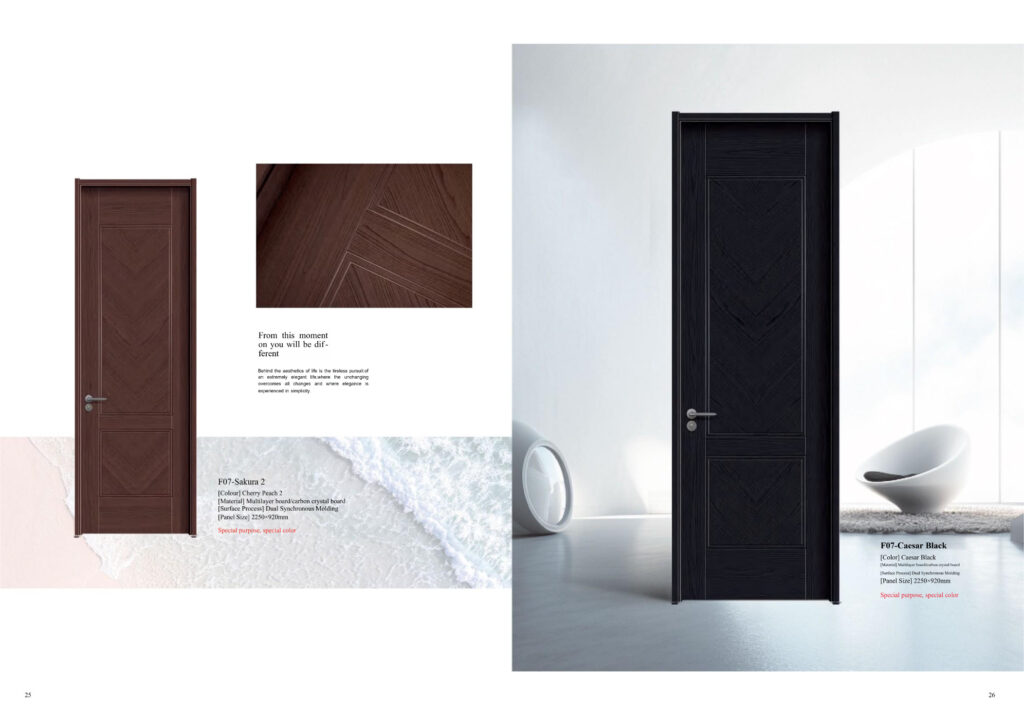
Why Interior Doors Matter More Than Most People Realize
Interior doors are not just room dividers. They are part of the architecture of the home.
A hallway lined with thin, plain doors feels very different from one with substantial wood doors and coordinated hardware. A bedroom suite with a well-proportioned wood door feels more private and restful. A home office with a solid-feeling door immediately feels more focused. A pantry, wine room, closet, laundry room, or media room can become more polished simply because the door looks like it belongs to the design.
Doors also create rhythm. In many homes, several interior doors are visible at once. If they are inconsistent, undersized, poorly finished, or mismatched with the trim, the eye notices even if the homeowner cannot immediately explain what feels off. When they are coordinated, the home feels calmer and more custom.
Wood is especially useful because it adds character without needing decoration. The grain, tone, panels, rails, stiles, and finish all contribute to the room. Even a simple flat wood door can feel rich if the material, scale, and hardware are right.
A good interior door does not need to shout. It should feel solid, fit the room, open smoothly, and make the space feel more complete.
Warmth Begins With Material
Wood has a visual warmth that painted hollow doors often lack. It introduces natural variation, which softens spaces filled with drywall, tile, stone, glass, and metal. Even in modern homes, where clean lines matter, wood prevents the interior from feeling cold.
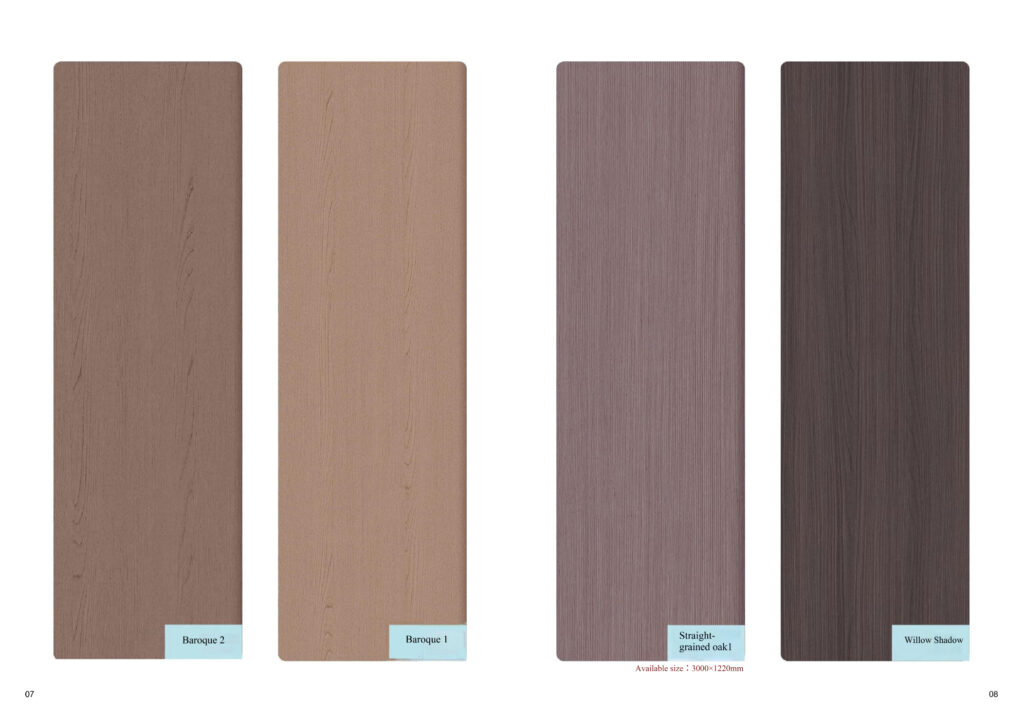
Warmth does not always mean dark wood. A light oak-style finish can brighten a room and still feel natural. Medium brown tones can add comfort and depth. Darker wood can create contrast and a more formal mood. The right choice depends on the home’s floors, walls, trim, lighting, and furniture.
If the floors are already wood, the doors do not have to match exactly. In fact, exact matching can be difficult and may feel forced. A better approach is to coordinate undertones. Warm wood floors usually pair well with warm door tones. Cooler gray-brown floors work better with cooler or more neutral stains. If the home has white walls and black hardware, a natural wood door can bring balance so the space does not feel too stark.
Wood also works well with iron, glass, and stone. That makes it a strong choice for homes that already have statement entry doors, iron railings, marble furniture, or architectural metal details. The contrast between wood and iron can be especially beautiful because one material feels natural and warm while the other feels strong and structured.
The warmth of a wood interior door is not only about color. It is also about depth. A real wood look has movement and texture. That depth makes a door feel like part of the home, not just a flat surface closing off a room.
The Quiet Difference: Privacy, Weight, and Everyday Comfort
No interior door can solve every sound issue by itself. Walls, gaps, flooring, ceilings, vents, and installation all affect how sound travels. Still, the type of interior door you choose can make a noticeable difference in how private and quiet a room feels.
Lightweight hollow-core doors tend to feel less substantial. They can allow more everyday noise to pass through, and they often close with a thin sound. Heavier wood or solid-core wood doors usually feel more grounded. They can help reduce the sense of sound transfer between rooms, especially in bedrooms, offices, bathrooms, laundry areas, and media rooms.
Think about where quiet matters most in your home. A guest bedroom near a living room may need more privacy. A home office near a kitchen may need a door with better separation. A nursery, primary bedroom, or bathroom may benefit from a more substantial door. Even a pantry or laundry room can feel more refined when the door does not rattle or echo.
The door slab is only one part of the equation. Fit matters. A door with large gaps around the frame will not feel as private as one that is properly installed. Hardware matters too. A latch that catches cleanly and a hinge set that supports the door well both affect how solid the door feels in daily use.
For homeowners trying to create a calmer interior, wood doors are often part of a bigger strategy. Rugs, drapery, upholstered furniture, wall treatments, and better door seals can all help soften sound. The door is one piece, but it is a piece you use every day.
Where Wood Interior Doors Make the Biggest Impact
Wood interior doors can be used throughout a home, but some rooms benefit more than others.
Bedrooms are usually the first place to consider. A bedroom door should feel private, quiet, and restful. If the door is too plain or flimsy, the room may never feel fully finished, even with beautiful furniture and bedding. A wood door adds a sense of retreat.
Bathrooms are another strong candidate. Privacy matters here, and a better door can make the space feel more complete. For bathrooms, finish selection and ventilation are important because humidity can affect wood over time. The right finish and proper installation help the door perform better.
Home offices have become one of the most important places for upgraded interior doors. A well-chosen wood door creates a visual boundary between work and home life. It also makes the room feel more professional during calls, meetings, or focused work.
Closets can be surprisingly important. Walk-in closet doors, linen closet doors, and hallway storage doors are often visible from bedrooms and main corridors. Upgrading them can make built-in storage feel more custom.
Pantries, wine rooms, and laundry rooms are great places to use a door as a design feature. These rooms are functional, but the door can make them feel considered. A wood pantry door, for example, can bring warmth into a kitchen filled with stone countertops, tile, and appliances.
Media rooms and dens benefit from the weight and presence of wood. The door helps signal that the room is meant to feel enclosed, comfortable, and separate from the rest of the home.
Hallways may be the most overlooked opportunity. If several doors line a corridor, upgrading them together can completely change the feel of that passage. Instead of a series of plain openings, the hallway becomes part of the design.
Choosing a Style That Fits the Home
A wood interior door should match the character of the home without copying every detail.
For modern interiors, simple lines usually work best. Flat panel doors, clean vertical grain, slim reveals, and minimal hardware can create a refined look. The beauty comes from proportion and material rather than ornament.
For transitional homes, shaker-style wood doors are often a natural fit. They have enough detail to feel classic but not so much that they become formal. One-panel, two-panel, or three-panel layouts can work depending on the room and ceiling height.
For traditional homes, raised panels, deeper profiles, and richer stains may feel appropriate. The door can carry more detail because the surrounding architecture often supports it.
For Mediterranean, Tuscan, or rustic homes, wood doors can lean heavier, warmer, and more textured. Arched shapes, darker finishes, and hand-crafted details may feel more natural in these settings. The key is restraint. A rustic wood door can be beautiful, but too many heavy details can make interiors feel dark.
For warm contemporary homes, natural wood doors are especially effective. This style often combines clean architecture with organic materials. A wood interior door can soften a modern space without making it feel traditional.
Door style should also relate to trim. A simple modern door with ornate casing can look disconnected. A highly detailed door with very minimal trim can feel out of place. The door, frame, baseboards, and hardware should feel like they were chosen together.
Slab, Panel, Glass, or Specialty Door?
Not every interior door needs the same construction or look. The right type depends on the room.
A solid slab wood door is simple and clean. It works well in modern homes, offices, bedrooms, and spaces where the wood grain itself is the main design feature. Slab doors can look very high-end when the proportions and finish are right.
Panel doors add depth. The panel layout can make a door feel classic, transitional, or custom. A single large panel feels cleaner. Multiple panels feel more traditional. Vertical panel designs can help draw the eye upward, which is useful in homes with taller ceilings.
Glass-panel wood doors are useful where light matters. They can separate rooms without fully closing them off visually. Offices, wine rooms, dining rooms, and dens are common places to consider glass. For privacy, textured, frosted, or reeded glass may be more appropriate than clear glass, depending on the room.
Double wood doors can create a grander opening. They work well for offices, primary suites, dining rooms, libraries, and media rooms. They need enough wall and floor space to operate properly, so measurements matter.
Sliding or barn-style wood doors can be useful where swing space is limited, but they should be chosen carefully. They do not always seal as tightly as hinged doors, so they may not be ideal for rooms where privacy and sound control are the top priorities. They can work beautifully for closets, pantries, laundry rooms, and decorative transitions.
Pocket doors save space because they slide into the wall. They can be excellent in bathrooms, closets, and compact areas, but they require proper wall conditions and hardware. A wood pocket door can feel very custom when planned well.
Finish Choices: Stain, Paint, and Natural Character
The finish determines how the wood door interacts with the rest of the home.
Stained wood highlights the grain. It is the best choice when you want the door to feel natural and warm. Light stains can feel airy and modern. Medium stains are versatile. Dark stains feel richer and more formal. The stain should work with floors, cabinetry, furniture, and hardware.
Painted wood doors are a good option when you want the quality and feel of wood but prefer a more consistent color. White, black, soft gray, cream, and muted tones can all work depending on the interior. Painted wood doors can still feel more substantial than standard hollow doors because the construction and profile add depth.
A clear or natural finish lets the wood speak for itself. This is especially effective when the grain is attractive and the home’s palette is simple. Natural finishes pair well with stone, iron, linen, plaster, and neutral wall colors.
Darker finishes require thought. They can be beautiful, but they absorb light. In a narrow hallway or room with limited natural light, too many dark doors can make the space feel smaller. If you love dark wood, consider using it strategically in special rooms or balancing it with lighter walls and floors.
Consistency matters. You do not have to use the same door everywhere, but the home should have a clear logic. For example, all bedrooms might use the same panel style, while the office or pantry gets a more distinctive door. That creates interest without chaos.
Hardware Makes the Door Feel Finished
Hardware is small compared to the door slab, but it changes the entire impression.
Black hardware can make wood doors feel modern and grounded. Brass or bronze can add warmth. Brushed nickel or stainless finishes can feel clean and understated. The best choice depends on nearby lighting, plumbing fixtures, cabinet hardware, stair railings, and entry door hardware.
Levers usually feel more updated than basic knobs, especially in modern or transitional homes. Knobs can still work beautifully in traditional interiors. Long pulls may be used on sliding doors, pocket doors, or specialty designs.
Do not choose hardware only by appearance. It should feel comfortable in the hand and suit the room. Privacy hardware is useful for bedrooms and bathrooms. Passage hardware is common for closets, hallways, and rooms that do not need locks. Dummy hardware may be used on closet doors or fixed panels.
The finish should be consistent enough to feel intentional. It does not have to match every metal in the home, but it should relate. If the home has iron entry doors or iron railings, dark interior hardware can help connect the design language from outside to inside.
How Wood Doors Affect Light and Flow
Interior doors control more than privacy. They influence how light moves through the home.
Solid wood doors create separation. That is good for bedrooms, bathrooms, offices, and media rooms. They help a room feel enclosed and calm.
Glass-panel wood doors allow borrowed light. This can be helpful for rooms without windows, dark hallways, offices, dining rooms, or transition spaces. The amount of privacy depends on the glass type. Clear glass feels open. Frosted or textured glass softens visibility. Reeded or patterned glass can add design interest while still sharing light.
Door swing also affects flow. A door that swings into a tight room can make furniture placement harder. A door that swings into a hallway may block movement. Before ordering, think through how the door opens, what it might hit, and how people move through the area.
For small spaces, sliding or pocket doors may help. For rooms where acoustic privacy is important, a traditional hinged wood door may be better. This is why the door type should be chosen by room, not just by style.
Matching Wood Interior Doors With Exterior Design
A home feels more custom when the outside and inside speak the same design language.
If the home has a bold iron entry door, the interior doors do not need to imitate it. They can complement it. Iron gives strength and structure. Wood gives warmth and comfort. Together, they can create a balanced home that feels refined at the entry and inviting inside.
For homes with modern exterior doors, simple wood interior doors often work best. Clean lines keep the style consistent while the wood prevents the interior from feeling too cold.
For Mediterranean or Tuscan-inspired homes, richer wood tones can pair naturally with decorative iron, stone, and warm wall colors. For transitional homes, a more restrained wood door with classic proportions may be the right bridge between old and new.
The goal is not to make every door a statement. The goal is to make each door feel appropriate. The front door can be bold. The interior doors can be quieter but still high quality. Specialty rooms can have more character. The whole home should feel connected.
Customization: Where a Door Starts Feeling Personal
A standard interior door closes a room. A custom or carefully selected wood door contributes to the room.
Customization can involve size, shape, panel layout, finish, glass, hardware, swing direction, and overall style. It can also involve deciding which rooms deserve a special design and which should remain simple.
A home office might get double wood doors with glass. A primary bedroom might get a taller, more substantial door. A pantry might get a warmer or more textured door that complements the kitchen. A wine room might use wood and glass together. A hallway might use a repeated door style to create rhythm.
Custom does not always mean ornate. Sometimes the most custom-looking choice is a clean door with perfect proportions, the right stain, and hardware that matches the rest of the home. In luxury interiors, restraint often looks more expensive than over-detailing.
Before choosing custom options, think about what problem the door needs to solve. Do you need more privacy? More warmth? More light? More character? A better match with the rest of the home? The answer should guide the design.
Alpha Iron Doors includes wood doors among its product categories and offers custom order resources for homeowners looking to discuss door details. For a project where interior doors need to coordinate with other architectural features, it is worth comparing styles, finishes, and room needs before making a final decision.
Practical Questions to Ask Before Choosing Wood Interior Doors
Before selecting wood interior doors, walk through your home and study each opening.
Which doors are visible from the main living areas? These should receive extra attention because they affect the overall design most.
Which rooms need quiet? Bedrooms, offices, nurseries, bathrooms, and media rooms may benefit from a more substantial door.
Which rooms need light? Offices, dining rooms, hallways, wine rooms, and dens may be candidates for glass-panel wood doors.
Which doors are used most often? High-use doors need durable hardware and finishes that can handle daily contact.
Which openings feel too plain? A pantry, closet, or hallway door can become a design feature without remodeling the entire room.
Which doors should disappear? Not every door needs to stand out. In some spaces, the right move is a simple wood door that supports the room quietly.
It also helps to take photos. Look at the home through a camera, especially from the entry, living room, kitchen, and hallways. Photos often reveal which doors are visually important and which ones are secondary.
Maintenance and Long-Term Care
Wood interior doors are easier to care for when they are treated properly from the start.
Keep them clean with a soft cloth. Avoid harsh cleaners that can damage the finish. Wipe fingerprints around handles before buildup becomes noticeable. Protect doors from excessive moisture, especially near bathrooms, laundry rooms, and areas with poor ventilation.
Humidity can affect wood. Interior doors should be finished appropriately and installed correctly so they can perform well in the home. If a door begins rubbing or sticking, the issue may be related to seasonal movement, hinges, settling, or alignment. It is better to address small fit issues early rather than forcing the door.
Hardware also needs occasional attention. Loose handles, squeaky hinges, or latches that do not catch cleanly can make even a beautiful door feel neglected. Small adjustments help maintain the solid, quiet feeling that makes wood doors appealing in the first place.
The finish should match the home’s lifestyle. Busy households may prefer finishes that disguise fingerprints and minor wear. Formal rooms may allow for more delicate or dramatic finishes. The best door is one that looks good and can be lived with comfortably.
Avoiding Common Design Mistakes
The first mistake is choosing a door style without considering the whole home. A beautiful door can still look wrong if it conflicts with trim, flooring, cabinetry, or architecture.
The second mistake is mixing too many styles. If every door is different, the home can feel disjointed. Use variation with purpose. Choose a main door style for most rooms, then reserve special designs for spaces that deserve emphasis.
The third mistake is ignoring door height. Taller doors can make a home feel more custom, but they need to work with ceiling height and architecture. A standard-height door in a room with very tall ceilings may feel undersized. A very tall door in a smaller room may feel out of proportion.
The fourth mistake is choosing a finish from a small sample without comparing it to the home. Wood tones change under different lighting. A stain that looks perfect in one room may appear too yellow, red, gray, or dark in another.
The fifth mistake is forgetting hardware. Cheap or mismatched hardware can weaken the effect of a high-quality wood door. Hardware should feel like part of the design, not a last-minute purchase.
The final mistake is expecting every door to perform the same way. A bathroom door, office door, closet door, pantry door, and hallway door do not all have the same job. Choose by room.
A Simple Room-by-Room Door Plan
If you are upgrading several doors, start with a plan instead of choosing one door at a time.
For the primary bedroom, prioritize privacy, warmth, and a solid feel. A wood door with a clean panel design or rich finish can make the suite feel more complete.
For secondary bedrooms, use a consistent style that coordinates with the primary bedroom but does not need to be overly dramatic.
For bathrooms, consider privacy, ventilation, finish durability, and hardware function. A good bathroom door should feel secure and appropriate for moisture-prone spaces.
For the home office, decide whether you need full privacy or borrowed light. A glass-panel wood door may work if the room needs light. A solid wood door may be better if sound control is more important.
For closets, decide whether they should blend in or become features. Walk-in closets may deserve upgraded doors, while small utility closets may need a simpler version of the same style.
For the pantry, choose a door that relates to the kitchen. Wood can soften a kitchen with stone, tile, and metal finishes.
For the laundry room, consider sound and daily use. A more substantial door can help the room feel less like a utility space and more like part of the home.
For hallways, consistency is key. Repeated wood doors can make the corridor feel designed rather than overlooked.
Why Wood Interior Doors Are Worth Considering During a Larger Home Upgrade
Interior doors are often easier to plan when you are already thinking about other home improvements. If you are updating the entry door, railings, flooring, furniture, paint, or hardware, door choices can be coordinated at the same time.
This prevents the home from feeling pieced together. For example, a new iron entry door might introduce a stronger architectural style. Wood interior doors can carry warmth through the rest of the home. New hardware can connect entry, hallway, and room details. A gallery or showroom visit can help you compare how materials work together.
Alpha Iron Doors works in categories that affect both the exterior and interior feel of a home, including iron doors, gates, railings, wood doors, garage doors, sliders, and furniture. That broader design context matters because a home does not stop at the front door. The best interiors feel connected from one space to the next.
Wood interior doors are a smart part of that conversation because they repeat throughout the home. One upgraded door can improve a room. A thoughtful set of doors can change the entire interior experience.
The Door Should Feel Like It Belongs
The best wood interior door is not always the most decorative one. It is the one that belongs in the home.
It should match the room’s purpose. It should feel good to open and close. It should give bedrooms and offices a better sense of privacy. It should add warmth where the home feels too plain. It should coordinate with floors, trim, hardware, and architectural features. It should make the home feel more custom without making daily life more complicated.
Wood interior doors can do a lot with quiet confidence. They do not need to compete with furniture, lighting, or artwork. They simply make every room feel more considered.